
/
Valentine’s Day in Japan: A Culture of Chocolate, Meaning, and Connection
Valentine’s Day in Japan looks very different from the romantic scenes often portrayed in Western countries. While February 14th is commonly associated with couples exchanging gifts and going out for dinner, Japan has developed a unique and fascinating culture centered around chocolate, social relationships, and unspoken emotions.
Women Give Chocolate—Not Men
One of the most distinctive features of Japanese Valentine’s Day is that women give chocolate to men, not the other way around. This custom began in the mid-20th century, influenced by marketing campaigns from confectionery companies. Over time, it evolved into a nationwide tradition that goes far beyond romantic love. Men typically receive chocolate from female coworkers, friends, classmates, and romantic partners. As a result, Valentine’s Day in Japan is not only about romance—it’s also deeply connected to social etiquette and relationships.
In Japan, not all Valentine’s chocolates mean the same thing. The type of chocolate you give carries a clear message:
- Honmei Choco (本命チョコ)
This is “true love chocolate,” given to someone special such as a boyfriend, husband, or romantic interest. It is often handmade or more expensive to express genuine affection. - Giri Choco (義理チョコ)
Literally meaning “obligation chocolate,” giri choco is given to male coworkers, bosses, or acquaintances. It represents politeness and social harmony rather than romantic interest. - Tomo Choco (友チョコ)
“Friend chocolate” exchanged among friends, especially common among students. Tomo choco is fun, colorful, and light-hearted, emphasizing friendship over romance. - Jibun Choco (自分チョコ)
A more recent trend where people buy chocolate for themselves as a form of self-reward. High-quality and luxury chocolates are often chosen for this purpose.
These categories show how Valentine’s Day in Japan reflects the country’s emphasis on social roles and clear communication—sometimes without saying anything out loud.
White Day: The Return Gift
Valentine’s Day in Japan does not end on February 14th. Exactly one month later, on March 14th, Japan celebrates White Day. On this day, men who received chocolate are expected to return the favor.
Traditionally, the return gift should be worth two to three times the value of the Valentine’s chocolate. Common gifts include white chocolate, cookies, candies, or even accessories. Just like Valentine’s Day, White Day also carries social expectations, making it an important part of the overall tradition.
Chocolate Season Everywhere
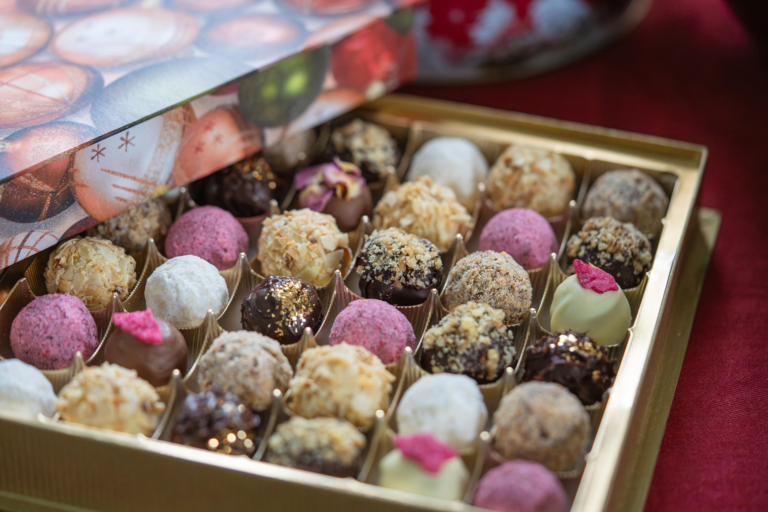
From late January to mid-February, Japan enters what feels like a national chocolate season. Department stores host massive Valentine’s chocolate fairs, featuring both domestic and international brands. Limited-edition flavors, beautiful packaging, and celebrity pastry chefs turn chocolate into a form of art.
For many people, especially women, this season is less about romance and more about enjoying high-quality sweets and the excitement of choosing the perfect chocolate.
A Reflection of Japanese Society
Japan’s Valentine’s Day culture highlights several aspects of Japanese society: respect for social harmony, sensitivity to relationships, and the importance of thoughtful gestures. While the system can sometimes feel pressured—especially in workplaces—it also creates moments of connection and shared tradition.In recent years, attitudes have begun to change. Some companies discourage giri choco to reduce stress, and younger generations tend to focus more on tomo choco or self-chocolate. Still, Valentine’s Day remains a uniquely Japanese celebration, blending tradition, modern trends, and a whole lot of chocolate.
Conclusion
Valentine’s Day in Japan is more than a romantic event—it is a cultural experience shaped by history, marketing, and social values. Whether it’s honmei choco, tomo choco, or even jibun choco, each piece of chocolate tells a story. And in Japan, that story is often sweeter—and more complex—than it first appears.
Related article
😷UNMASKING JAPAN’s MASK CULTURE If there’s one accessory that’s become synonymous with daily life in Japan, it’s the humble face mask. From bustling city streets to serene countryside landscapes, it’s hard to miss the sight of people sporting masks in Japan. But why exactly is mask-wearing so prevalent in the Land of the Rising Sun?…
📝Japan’s “Missing Trash Cans” Mystery — Explained in a Traveler-Friendly Way Why Is It So Hard to Find Trash Bins in Japan? If you’ve ever wandered around a Japanese city holding an empty drink bottle, you’ve probably wondered: “Where are all the trash cans?” Even in one of the cleanest countries in the world, public…