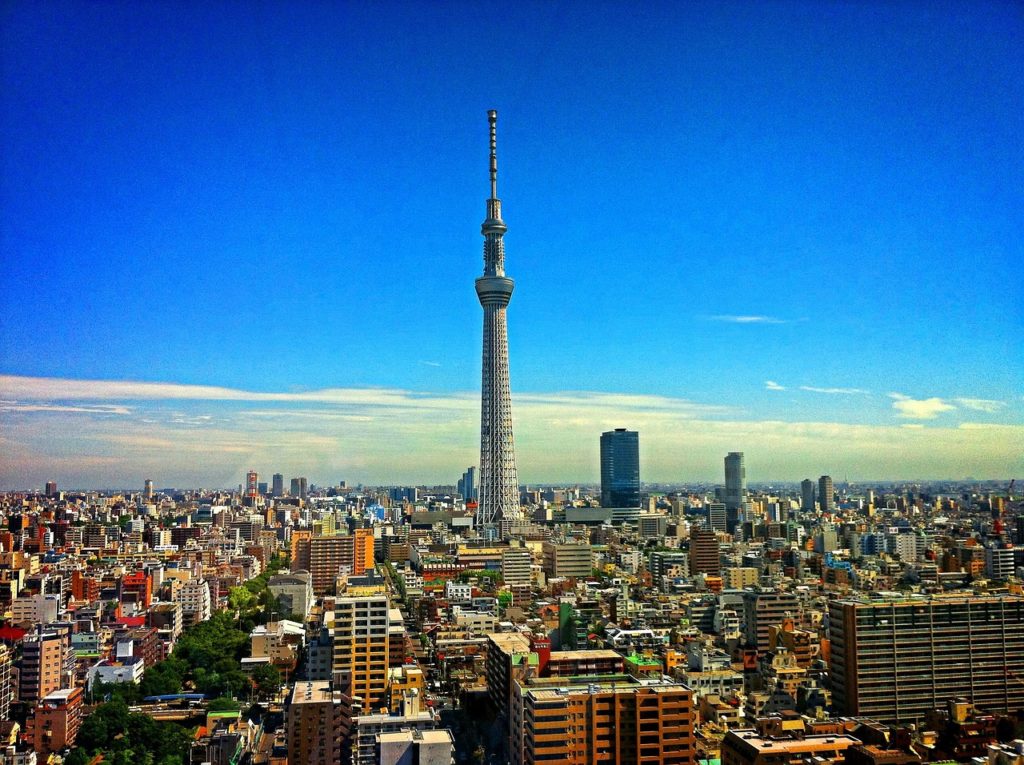
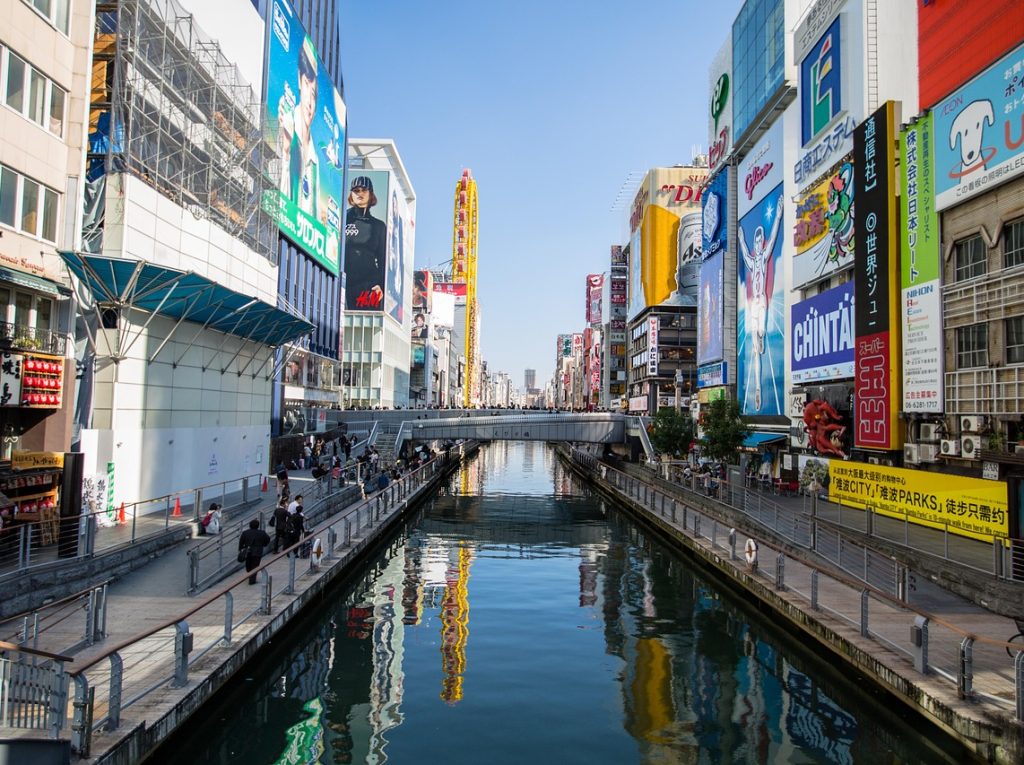
Tokyo and Osaka, two vibrant cities in Japan, are renowned not only for their bustling streets and rich history but also for their distinct culinary traditions. One notable aspect that sets these cities apart is the difference in flavor intensity found in their respective cuisines. Let’s explore the contrasting characteristics of Tokyo and Osaka’s flavor profiles and what makes them unique.
1. Tokyo: Subtle Elegance in Flavor:
Tokyo’s culinary scene is often characterized by its subtle and refined flavors. Traditional Tokyo cuisine, known as “Edo-mae,” emphasizes the natural taste of ingredients, with a focus on delicacy and balance. Dishes like sushi, tempura, and sukiyaki exemplify this approach, where the freshness of seafood and the quality of ingredients take center stage. Tokyoites appreciate nuanced flavors that are not overpowering, preferring a harmonious blend of tastes that tantalize the palate without overwhelming it.
2. Osaka: Bold and Robust Flavors:
In contrast, Osaka’s culinary landscape is renowned for its bold and robust flavors that leave a lasting impression. Osaka cuisine, often referred to as “Kansai ryori,” is characterized by its hearty and indulgent dishes. Takoyaki, okonomiyaki, and kushikatsu are iconic examples of Osaka’s flavorful fare, where rich sauces, savory toppings, and umami-packed ingredients reign supreme. Osakans have a penchant for bold flavors that pack a punch, embracing dishes that are hearty, satisfying, and full of character.
3. Cultural Influences and Preferences:
The difference in flavor intensity between Tokyo and Osaka can be attributed to various cultural influences and regional preferences. Tokyo, as the capital city and cultural epicenter of Japan, has historically been influenced by the refined tastes of the Edo period aristocracy, where simplicity and elegance were prized. In contrast, Osaka, known as the “Nation’s Kitchen,” has a long-standing culinary tradition rooted in merchant culture, emphasizing hearty and flavorful dishes that cater to the masses.
4. Dining Atmosphere and Social Dynamics:
The contrasting flavor profiles of Tokyo and Osaka also extend to the dining atmosphere and social dynamics within each city. In Tokyo, dining experiences often revolve around intimate settings and meticulous attention to detail, reflecting the city’s sophisticated culinary scene. On the other hand, Osaka’s dining culture is characterized by its lively and convivial atmosphere, with bustling street food stalls and communal dining spaces that encourage interaction and spontaneity.
Conclusion:
In conclusion, the difference in flavor intensity between Tokyo and Osaka reflects not only regional culinary traditions but also cultural nuances and societal preferences. While Tokyo’s cuisine emphasizes subtle elegance and refinement, Osaka’s fare embraces bold flavors and hearty indulgence. Whether you prefer the delicate flavors of Tokyo or the robust tastes of Osaka, both cities offer an unparalleled culinary journey that celebrates the diverse and dynamic culinary landscape of Japan.
So, whether you find yourself savoring delicate sushi in Tokyo or indulging in savory takoyaki in Osaka, be prepared to embark on a gastronomic adventure that will tantalize your taste buds and leave you craving for more